Full Sun vs Partial Shade: Choosing the Right Plants
Light is the main engine of plant growth, but not every plant wants blazing sun all day. Understanding how much light your garden actually gets—and which plants suit those conditions—is fundamental to growing a healthy garden.
What do the light terms actually mean?
- Full sun 6 or more hours of direct sunlight per day. South-facing beds (in the Northern Hemisphere) typically get full sun. Many vegetables, grasses, and Mediterranean plants need this.
- Partial shade (or partial sun) 3–6 hours of direct sun per day, or dappled light throughout the day. East-facing or lightly shaded spots often fall here.
- Full shade Fewer than 3 hours of direct sun. North-facing walls, under dense tree cover, or narrow gaps between buildings.
How to assess your garden's light
The sun moves through the year, so it helps to observe your garden across seasons:
- Track where shadows fall at 9am, midday, and 3pm on a sunny day in late spring or early summer.
- Note which areas are blocked by buildings, fences, or evergreen trees year-round.
- Remember that deciduous trees cast denser shade once in full leaf—a spot sunny in April may be shaded by June.
Best plants for full sun
Hot, sunny spots suit plants from Mediterranean, prairie, and coastal habitats:
- Lavender, Salvia, and Nepeta (Catmint)
- Roses (most modern varieties)
- Ornamental grasses (Stipa, Miscanthus)
- Sedum and Sempervivum
- Tomatoes, peppers, courgettes (vegetables)
Best plants for partial shade
Partial shade is versatile—many woodland-edge plants thrive with a few hours of sun or dappled light:
- Foxgloves and Aquilegia (Columbine)
- Astrantia and Geranium (cranesbill types)
- Hydrangeas (most types)
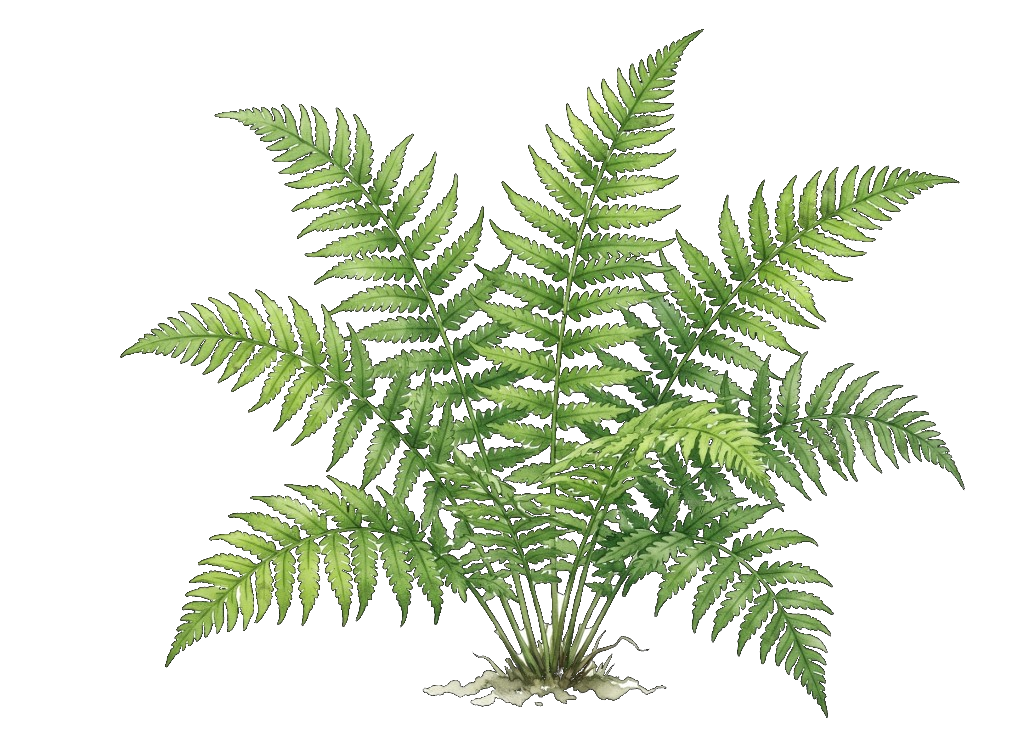
- Ferns and Hostas
- Lettuce and salad greens (prefer cooler conditions)
What happens when light is wrong?
- Sun-lover in shade Leggy, weak growth reaching for light. Fewer flowers, more prone to fungal disease from damp foliage.
- Shade-lover in sun Scorched, bleached leaves. Wilting even when watered. Stunted growth or death in extreme cases.
Afternoon sun is harsher
Morning sun with afternoon shade is gentler than afternoon sun with morning shade. West-facing spots get the hottest, most intense light.