
The Shade Formula: Three Plants, Four Seasons
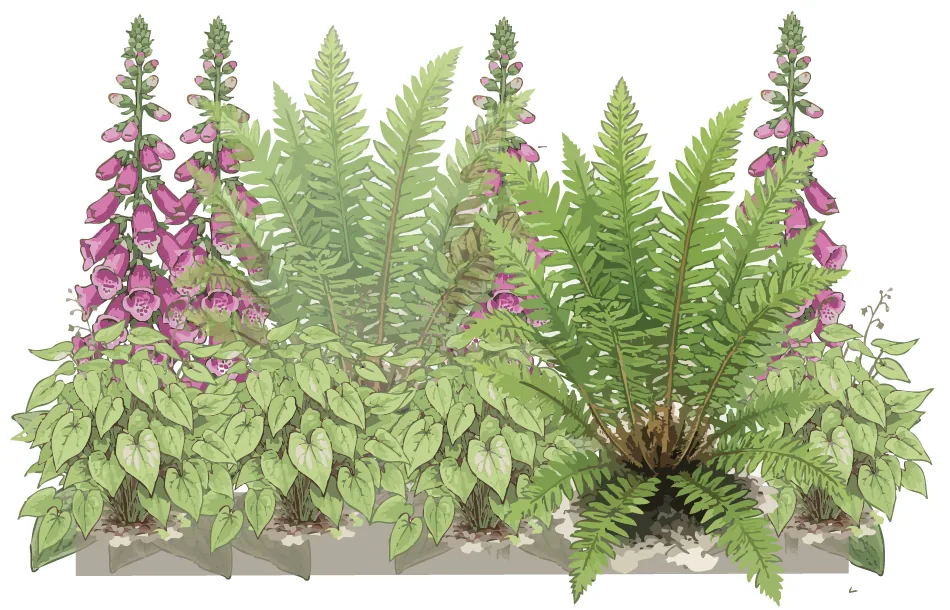
Three plants, four seasons: the same three-shape formula as the sunny border, with the plants changed for partial shade. Your FERN guide — plant list from SD Landscapes (@sd.landscapes.studio).
The bed
- The bed About 1 × 3m, in partial shade — dappled light, or a few hours of sun in the morning or evening, such as a bed under the edge of a tree canopy or along a north- or east-facing wall.
- The soil Neutral to chalky, and moist but well-drained — it holds some moisture through summer, but water soaks away after rain rather than sitting on the surface.
The three shapes
Flowers come and go. The shapes stay. It's the same three-shape formula as the sunny border — only the plants change for shade. Every plant here shares the same conditions, so nothing is fighting its neighbour.
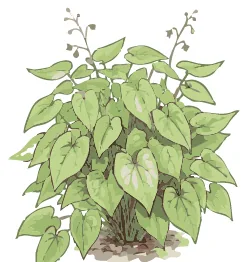
- The cushion Low, rounded, evergreen. Covers the ground and holds the bed through winter. Many, planted close, in groups.
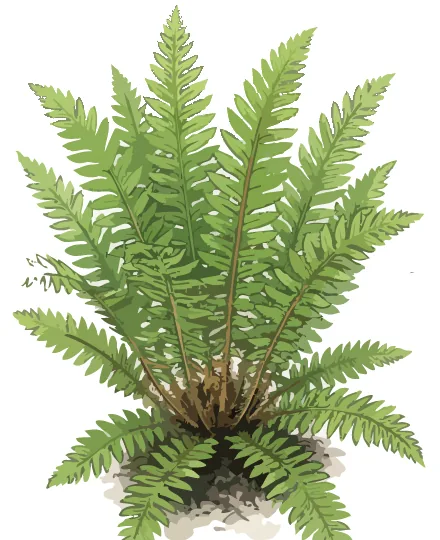
- The fountain Arching fronds. Rhythm and softness — evergreen structure all year. A few, spaced unevenly.
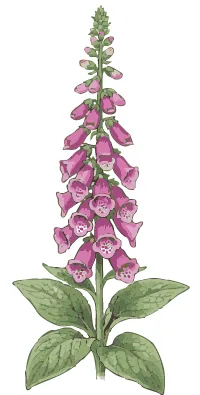
- The float Tall, slim spires. The summer moment, rising through the bed. Scattered through as drifts.
Planting plan and quantities
Front view — summer
Plan view
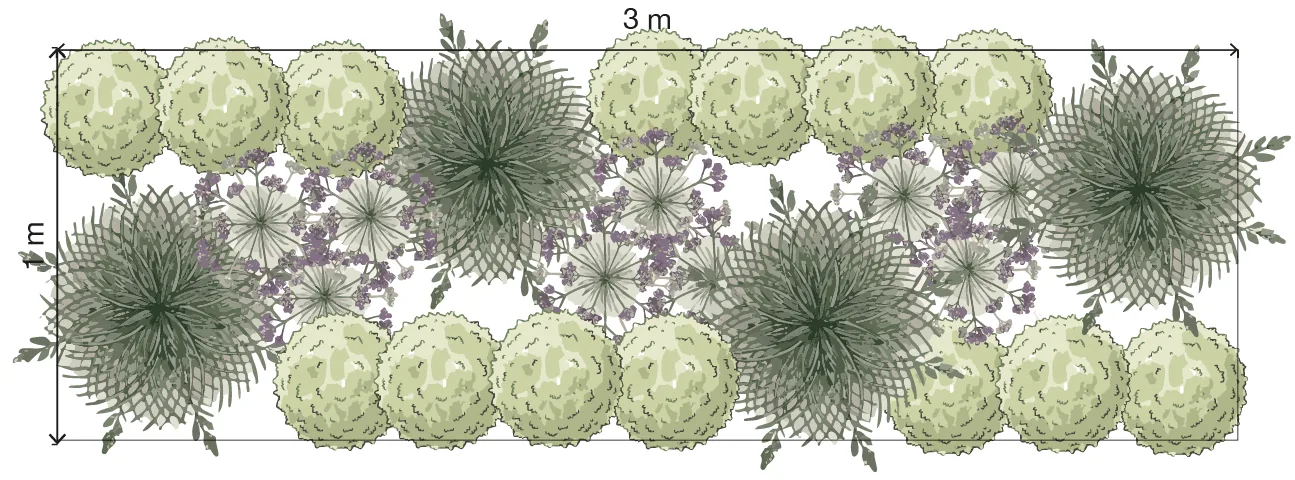
- Cushion: Epimedium × perralchicum 'Fröhnleiten' (barrenwort) Qty 8. About 50–60cm apart (each plant spreads 0.5–1m). In groups along the front and back edges.
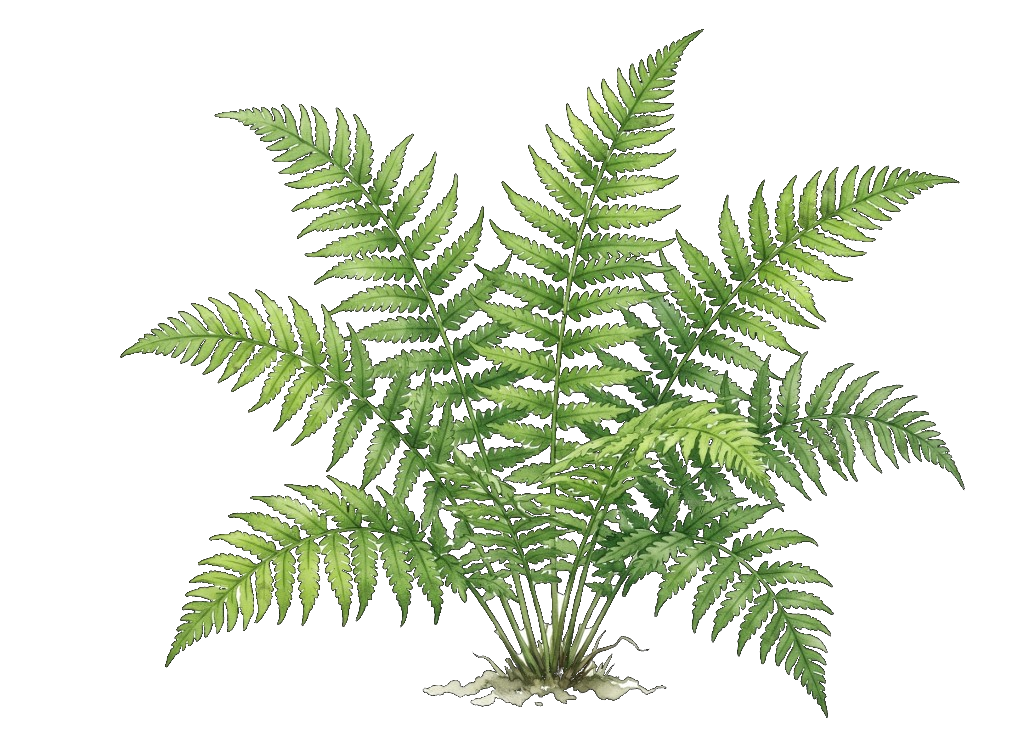
- Fountain: Polystichum setiferum (soft shield fern) Qty 4. About 75cm–1m between plants (each spreads 0.5–1m). Spaced unevenly through the bed, not in a line.
- Float: Digitalis purpurea (foxglove) Qty 9. About 30–40cm within each drift (slim plants, 0.1–0.5m spread). Three drifts of three, in the gaps between cushions and ferns.
Spacing note
Spacing is measured from the centre of one plant to the centre of the next. The RHS advice is to check each plant's final width and allow that gap. Leave about half the spacing between the outer plants and the edge of the bed.
The bed through the seasons
Nothing is replanted and nothing is moved — only the seasons change.
Winter
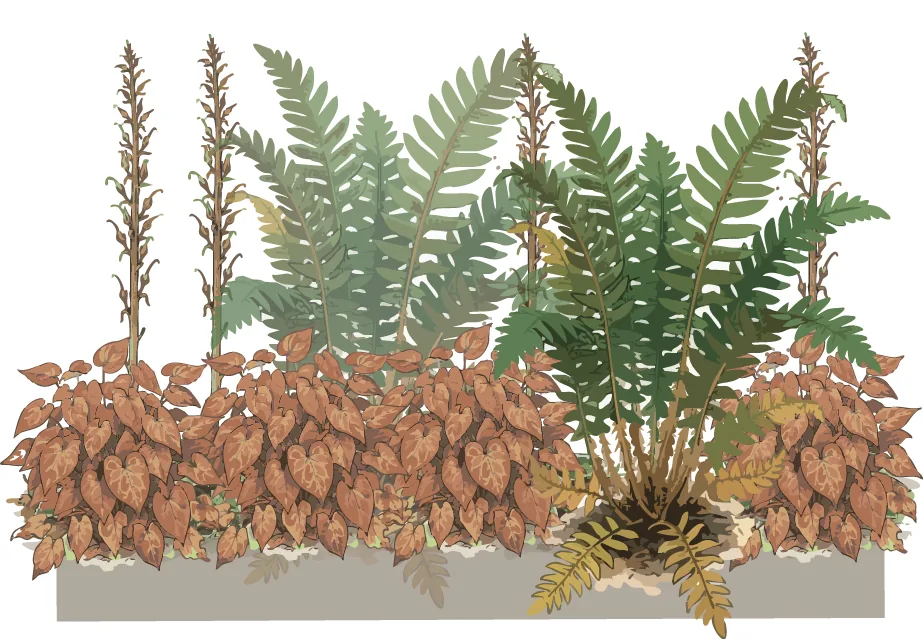
No flowers — the cushion's leaves turn copper and the evergreen ferns hold the bed. Last summer's foxglove spikes still stand.
Spring
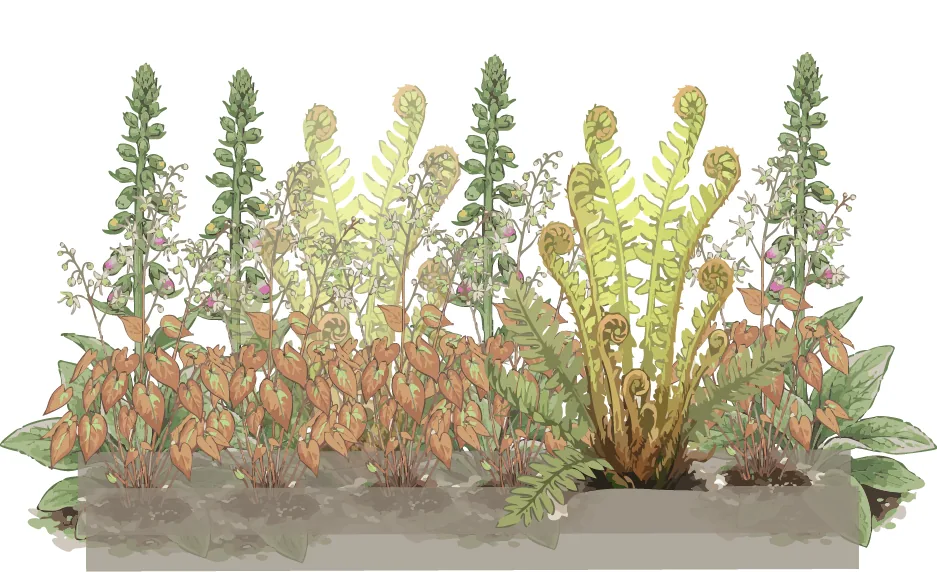
New fern fronds unfurl, and the epimedium flowers bright yellow above its leaves. Foxglove spikes start to rise.
Summer
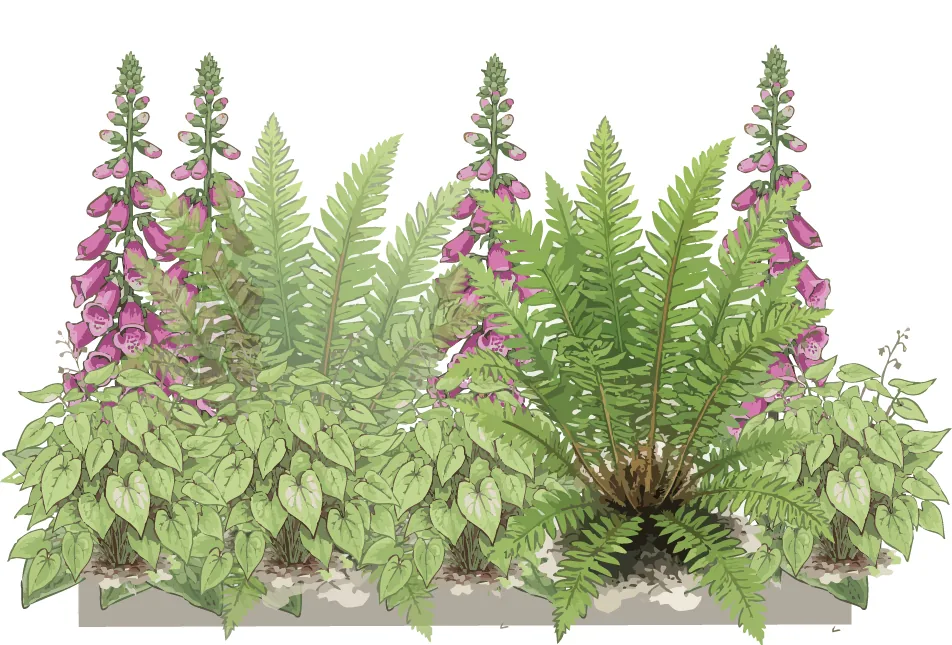
The float takes over — foxglove spires rise right through the bed, against fresh green leaves and fronds.
Autumn
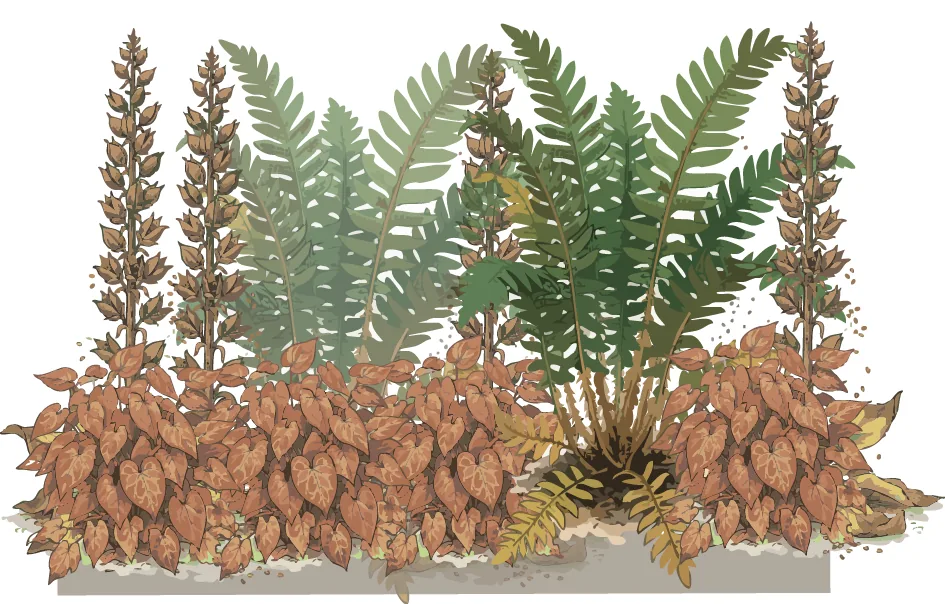
The foxgloves go to seed and the cushion turns copper again. The ferns stay green into winter.
The plants
The fountain
The cushion
The float
- Barrenwort 'Fröhnleiten' — Epimedium × perralchicum 0.1–0.5m × 0.5–1m. Partial shade (tolerates some sun if the soil stays moist); moist but well-drained; chalk, loam or sand; alkaline or neutral; hardy throughout the UK (H6). Evergreen, leathery leaves with copper tones. Bright yellow flowers held above the leaves in spring.
- Soft shield fern — Polystichum setiferum 1–1.5m × 0.5–1m. Partial or full shade; moist but well-drained; chalk, clay, loam or sand; any pH; very hardy (H7). Evergreen. Native to the UK.
- Foxglove — Digitalis purpurea 1–2m in flower × 0.1–0.5m. Prefers partial shade and humus-rich soil; almost any soil, but not very wet or very dry; any pH; very hardy (H7). Biennial or short-lived perennial; self-seeds freely. Native to the UK; RHS Plants for Pollinators. Toxic if eaten, including to pets.
Foxglove is toxic
Foxglove is toxic if eaten, including to pets. Think about where you plant it if children or animals use the garden. Wear gloves when handling: all parts are toxic if eaten.
Why these three work together
All three are happy in partial shade with soil that stays moist but drains, and all suit neutral to chalky ground. The epimedium and fern are the evergreen structure; the foxglove is the seasonal layer. In spring, the epimedium's yellow flowers sit against the fresh fern fronds; in summer, the foxgloves take over.
Planting and care
When to plant
Autumn or spring is best. If you buy plants in summer, plant them as soon as you can and water them regularly. Plant at the same depth as the pot — planting ferns too deep can make the base rot.
Leave the gaps
Plant at final spacing, not shoulder to shoulder, and let the plants fill in over the next couple of seasons. Between them, add a thin, even layer of mulch. Here it's a design decision: a light layer gives the ground one colour and texture, so the gaps read as negative space and each group stands out clearly.
Through the year
- Epimedium 'Fröhnleiten' — all year Its foliage is truly evergreen, so there's no need to cut it back. Just remove any damaged leaves.
- Soft shield fern — early spring Remove dead or untidy fronds before the new fronds (crosiers) start to unfurl. Clear debris from around the crown at the same time.
- Foxglove — after flowering Cut back after flowering. Foxgloves are biennial or short-lived, so leave a few spikes to set seed if you want them to keep coming back — they self-seed freely. Wear gloves when handling: all parts are toxic if eaten.
Watering
Water new plants in well and keep them watered through their first summers while they establish — ferns can take a few years. Water the soil around the roots, not over the fern crowns. Once established, the bed shouldn't need regular watering except in long dry spells.
Sources and notes
Plant sizes, conditions and care are taken from the Royal Horticultural Society (RHS): plant profiles for Epimedium × perralchicum 'Fröhnleiten', Polystichum setiferum and Digitalis purpurea; the RHS guides to growing epimediums and Polystichum ferns.
Before you plant
Plants in this guide are selected for UK conditions. Outside the UK? Check plants against your local invasive species list before planting — a plant that's fine in one country can be a weed in another. Planting plans and quantities are indicative only. Check your own site's light, soil and drainage before buying, and adjust quantities to the size of your bed.
Foxglove is toxic
Foxglove is toxic if eaten, including to pets. Think about where you plant it if children or animals use the garden.
Planting advice here is written for UK conditions. Some of these plants are invasive or weedy in other countries, so check your local invasive plant list before planting.