
Best Indoor Plants for Low Light Rooms
Many homes and offices don't get much natural light, but that doesn't mean you can't have thriving houseplants. The trick is choosing species that evolved on forest floors or in the understorey, where they adapted to survive on very little direct sunlight. Here are the most reliable low-light indoor plants.
What counts as low light indoors?
Indoor light is much dimmer than outdoors—even a bright room is typically 10–50 times less intense than direct outdoor sun. Low light indoors means:
- North-facing windows (in the Northern Hemisphere) or south-facing (in the Southern Hemisphere).
- Rooms where the only window is small, frosted, or blocked by nearby buildings.
- Interior spaces more than 2–3 metres from any window.
- Offices or hallways lit mainly by artificial light.
Top picks for genuinely low-light spots
- Zamioculcas zamiifolia (ZZ Plant) Glossy, arching stems that tolerate neglect and very low light. Rarely needs watering. Toxic if ingested.
- Sansevieria (Snake Plant / Mother-in-Law's Tongue) Upright, architectural leaves. One of the most tolerant houseplants—survives weeks without water and copes with minimal light.
- Aspidistra elatior (Cast Iron Plant) Named for its near-indestructibility. Broad, dark green leaves; grows slowly but survives decades in dim rooms.
- Pothos (Epipremnum aureum) Trailing vines that root easily from cuttings. Tolerates low light but grows faster with more. Variegated types need slightly brighter conditions.
- Aglaonema (Chinese Evergreen) Patterned leaves in silver, green, and pink. Prefers warmth and handles low light well.
- Dracaena fragrans (Corn Plant) Tall, corn-like leaves on a woody stem. Good for filling vertical space in darker corners.
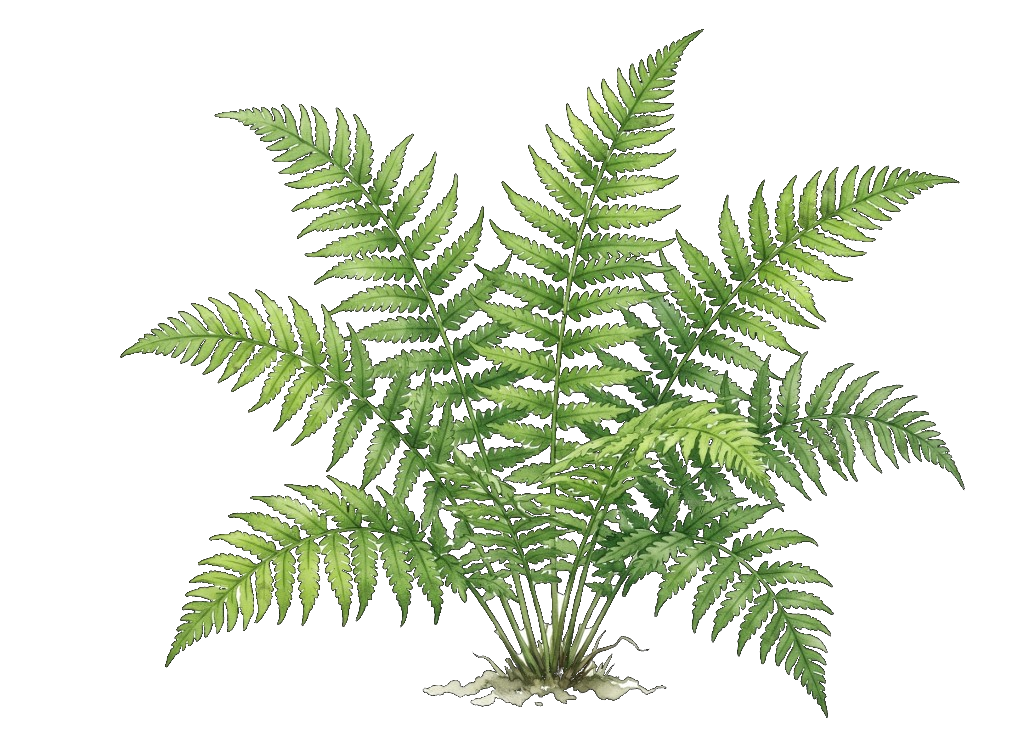
Ferns for humid, low-light bathrooms
Bathrooms with a small window often have the humidity ferns love but limited light. These cope well:
- Boston Fern (Nephrolepis exaltata) Arching fronds that look great in hanging baskets. Needs consistent moisture and humid air.
- Maidenhair Fern (Adiantum) Delicate, fan-shaped leaves. Beautiful but needs high humidity—bathrooms or terrariums are ideal.
- Bird's Nest Fern (Asplenium nidus) Broad, wavy fronds growing from a central rosette. More forgiving than maidenhair.
Signs your plant needs more light
Leggy growth (long gaps between leaves), smaller new leaves, loss of variegation, or leaning toward a light source all suggest your plant wants a brighter spot.
Care tips for low-light houseplants
- Water less often Plants in low light grow slowly and use less water. Overwatering is the main killer—let soil dry out between waterings.
- Dust the leaves Dusty leaves block what little light reaches them. Wipe large-leaved plants monthly with a damp cloth.
- Rotate the pot Turn plants a quarter-turn every few weeks so all sides get equal light and growth stays even.
- Skip the fertiliser in winter Growth slows in low light and short days. Feed sparingly, if at all, from late autumn to early spring.